Long read
Mar 19 · 2 min read
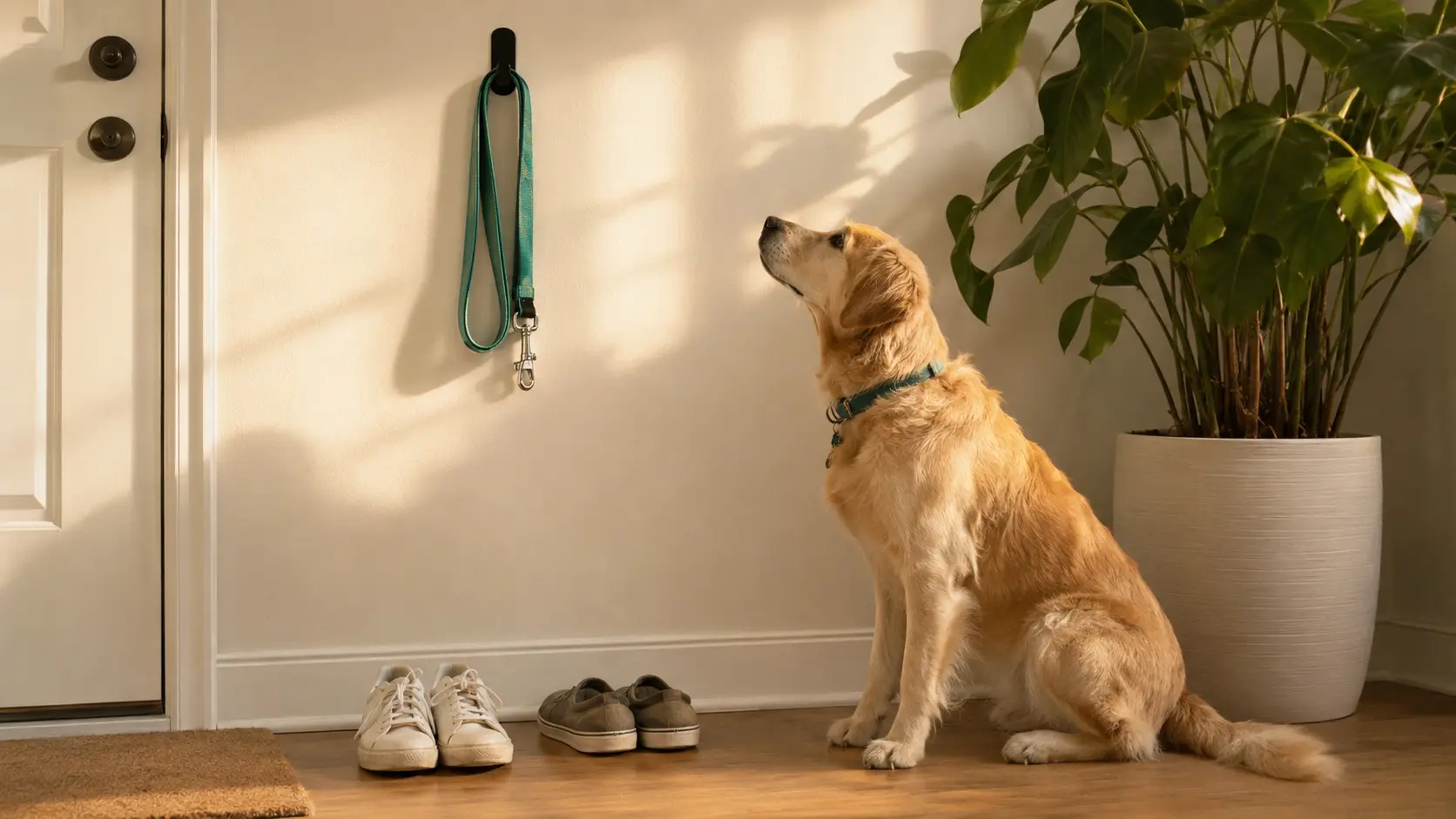
How the household decides who walks the dog
The arrangement usually forms by accident. Why the evening walk causes the arguments, and what settles it.
Read
Tail flicks, slow blinks, the doorway loiter. A field guide to what your cat is actually telling you.
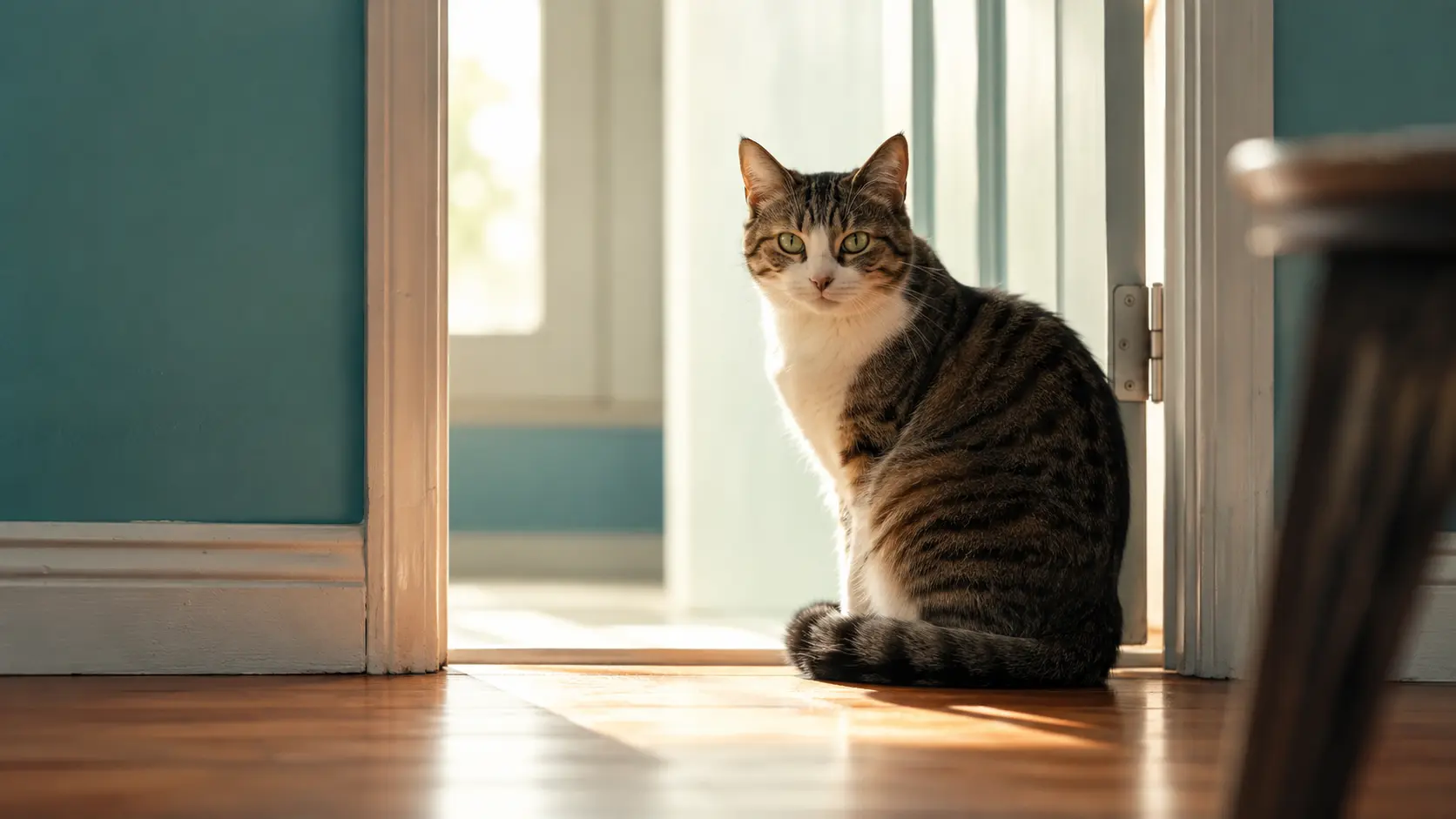
Most cat owners can read the obvious headlines. The yowl at 6 a.m. The sprint to the kitchen at the rustle of a treat bag. The flat-eared, low-slung crouch that means a vet visit is going badly. What's harder, and what we wanted to write about, is the rest of the language — the quiet middle register a cat uses to negotiate with you for hours every day.
The slow blink most people know about — a willing closing of the eyes that, if you return it, builds trust. The doorway loiter, less so: a cat positioning itself in a doorway is rarely there by accident, and is almost always asking a question about the room you're in.
Tail flicks deserve their own chapter. A whip-fast flick at the tip is the polite cousin of a swat, the thing a cat does instead of biting because biting would be dramatic. A slow, low sway is closer to the wagging dog tail people imagine — a sign that whatever's happening is interesting, not threatening. The trick is to watch the base of the tail, not the tip; that's where the underlying mood lives.
What does that mean in practice? Mostly: the chance to slow down and read what your cat has been saying all along. The next time you walk past a doorway loiter, stop. Sit down on the floor for thirty seconds. See what answer comes back. We've started asking owners to log these moments in their pet's profile, the way a parent might log a baby's first words. The pattern, after a few weeks, is the closest thing to a translation key any of us are likely to get.
The arrangement usually forms by accident. Why the evening walk causes the arguments, and what settles it.
What we learn — about love, time, and ritual — from losing the animals we share our homes with.