Long read
Apr 18 · 2 min read
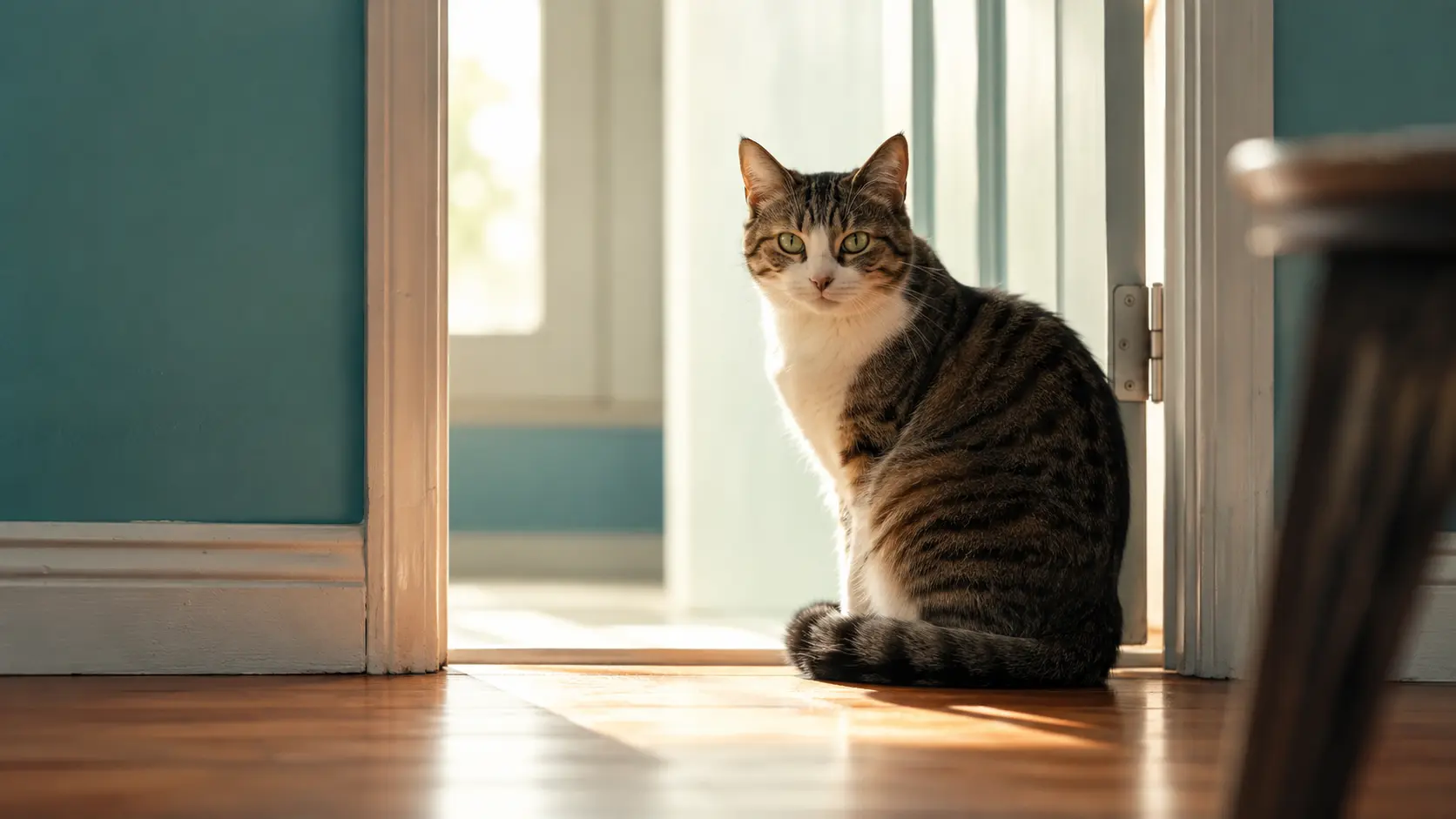
The quiet language of cats.
Tail flicks, slow blinks, the doorway loiter. A field guide to what your cat is actually telling you.
Read
The arrangement usually forms by accident. Why the evening walk causes the arguments, and what settles it.
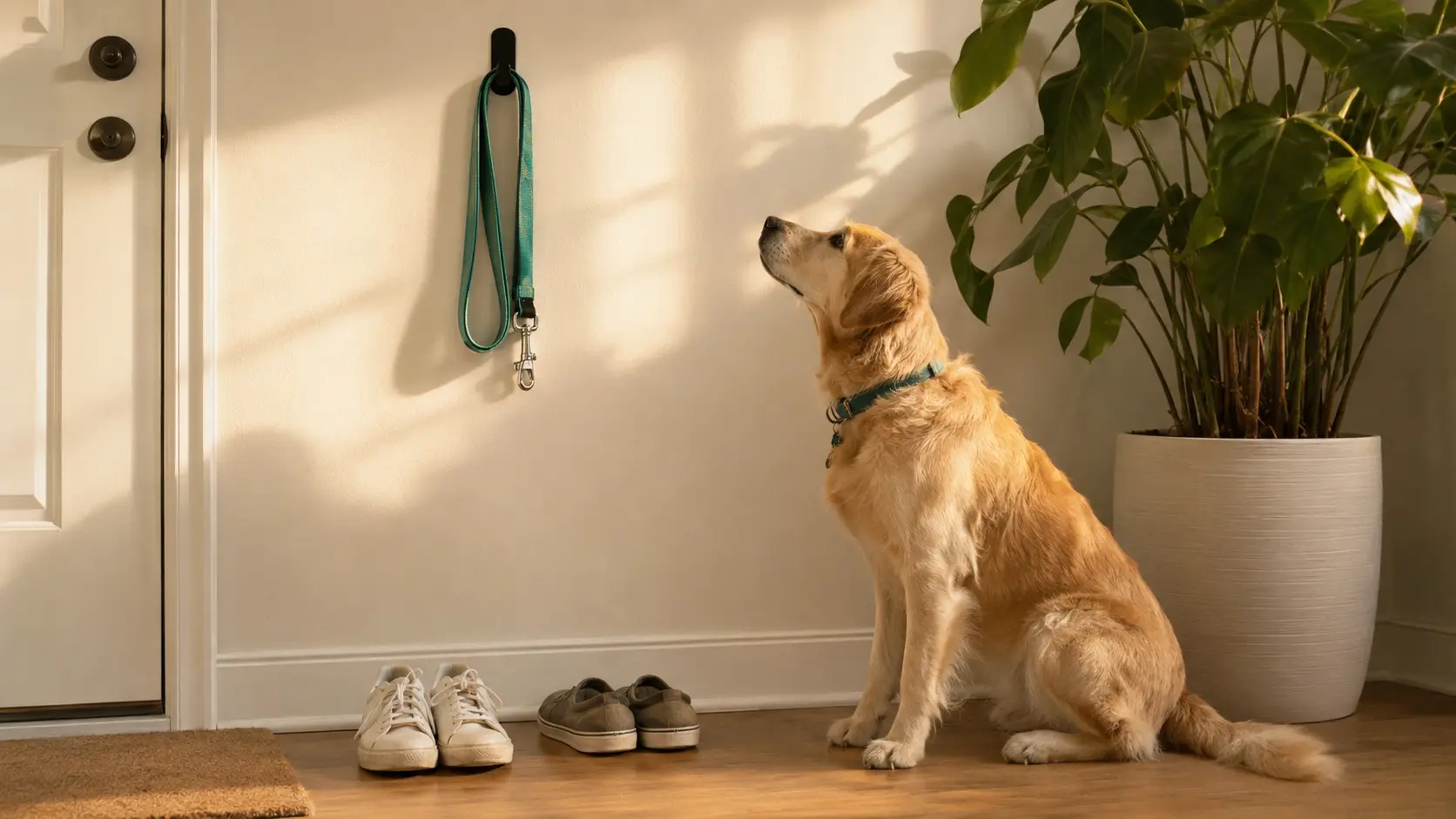
Most households never really decide who walks the dog. The arrangement forms on its own — out of who got up first that one week, whose commute changed, and who is least able to ignore a dog standing hopefully by the door. It works until it doesn't.
The friction tends to show up in the same place: the evening walk. Mornings are usually shaped by work, so they sort themselves out. Evenings are negotiable, and anything negotiable gets negotiated — nightly, wearily, in front of a dog who understood the word the moment the coat came off the hook.
The households that argue least are the ones where the walk stopped being a question. A fixed split — one person mornings, one evenings, alternating weekends — removes the nightly negotiation entirely. It matters less which split you pick than that it lives somewhere both people can see it: a shared calendar, a note on the fridge, a schedule in an app.
The other thing worth revisiting is the schedule itself. Most are set once, while the dog is young, and never looked at again. A puppy's needs and a seven-year-old's are not the same, and neither are yours. Once a year, it is worth asking whether the arrangement still fits the animal and the people in it.
Tail flicks, slow blinks, the doorway loiter. A field guide to what your cat is actually telling you.
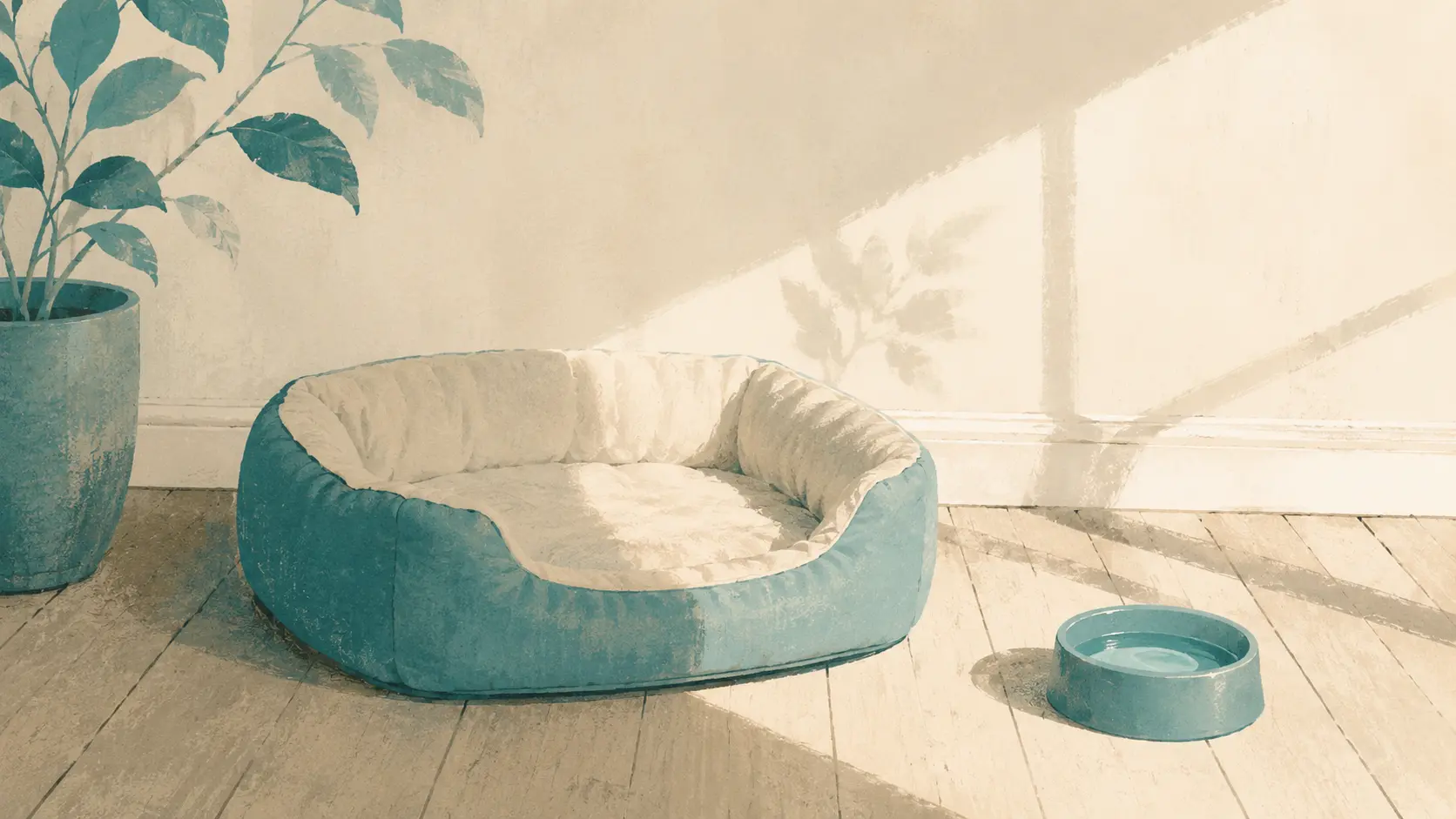
What we learn — about love, time, and ritual — from losing the animals we share our homes with.