Long read
Apr 18 · 2 min read
The quiet language of cats.
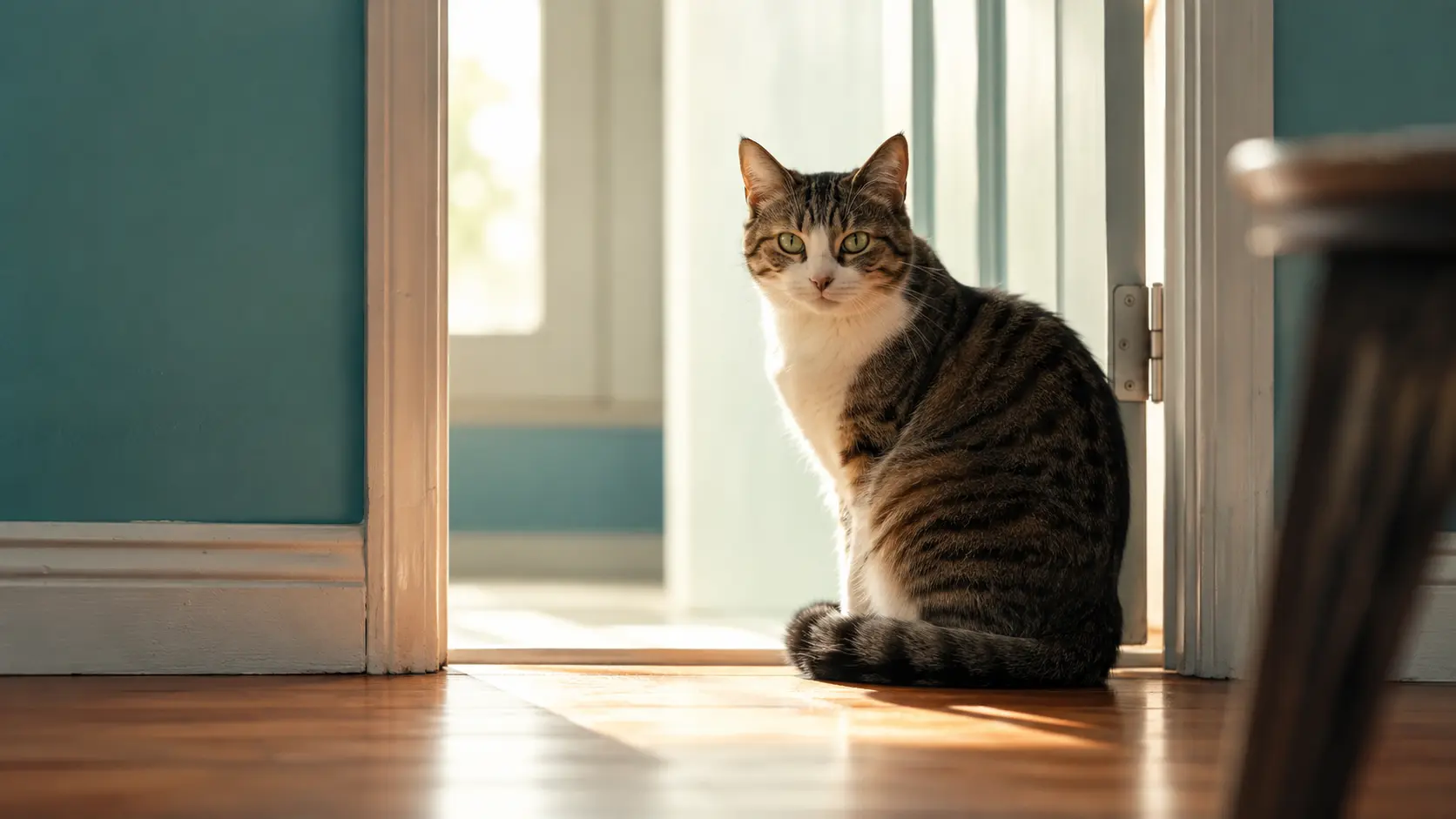
Tail flicks, slow blinks, the doorway loiter. A field guide to what your cat is actually telling you.
Read
What we learn — about love, time, and ritual — from losing the animals we share our homes with.
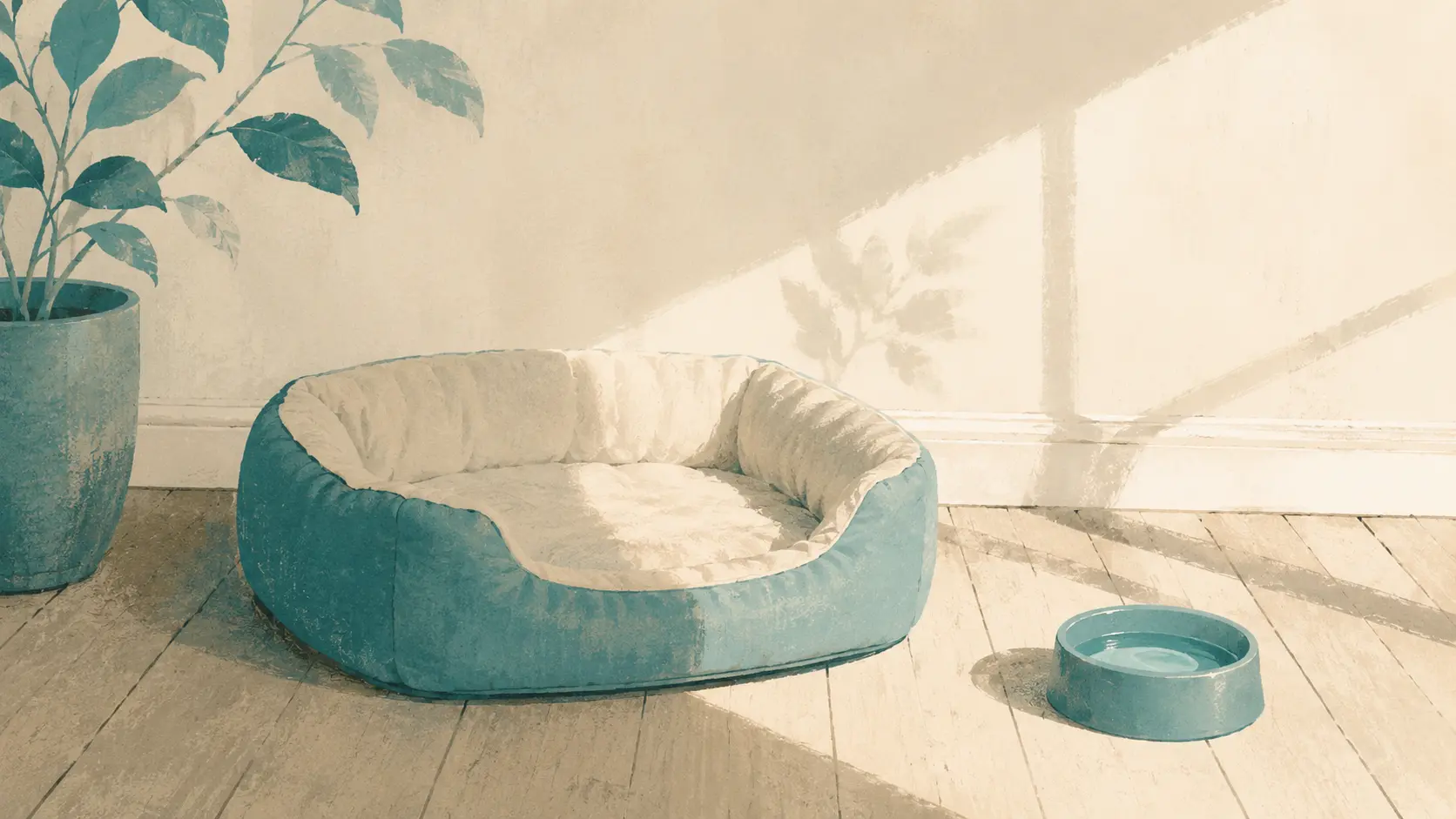
The grief of losing a pet is often described, by the people who haven't experienced it, as smaller than other griefs. The people who have lost one know that the smallness is a category error. The grief is house-shaped. It fits the rooms you shared.
Almost everyone described the first week as a logistical fog. Empty bowls. The wrong silence at the door. Many described the rituals they invented in the absence of formal ones — the Sunday walk that became a Sunday sit, the bedtime brushing replaced by writing in a small notebook the cat had once slept on.
Researchers who study grief have a specific term for this: continuing bonds. The relationship doesn't end; it changes shape. Pet owners build the bonds with practice — a photograph in a place where the animal used to sit, a habit that doesn't quite die.
Tail flicks, slow blinks, the doorway loiter. A field guide to what your cat is actually telling you.
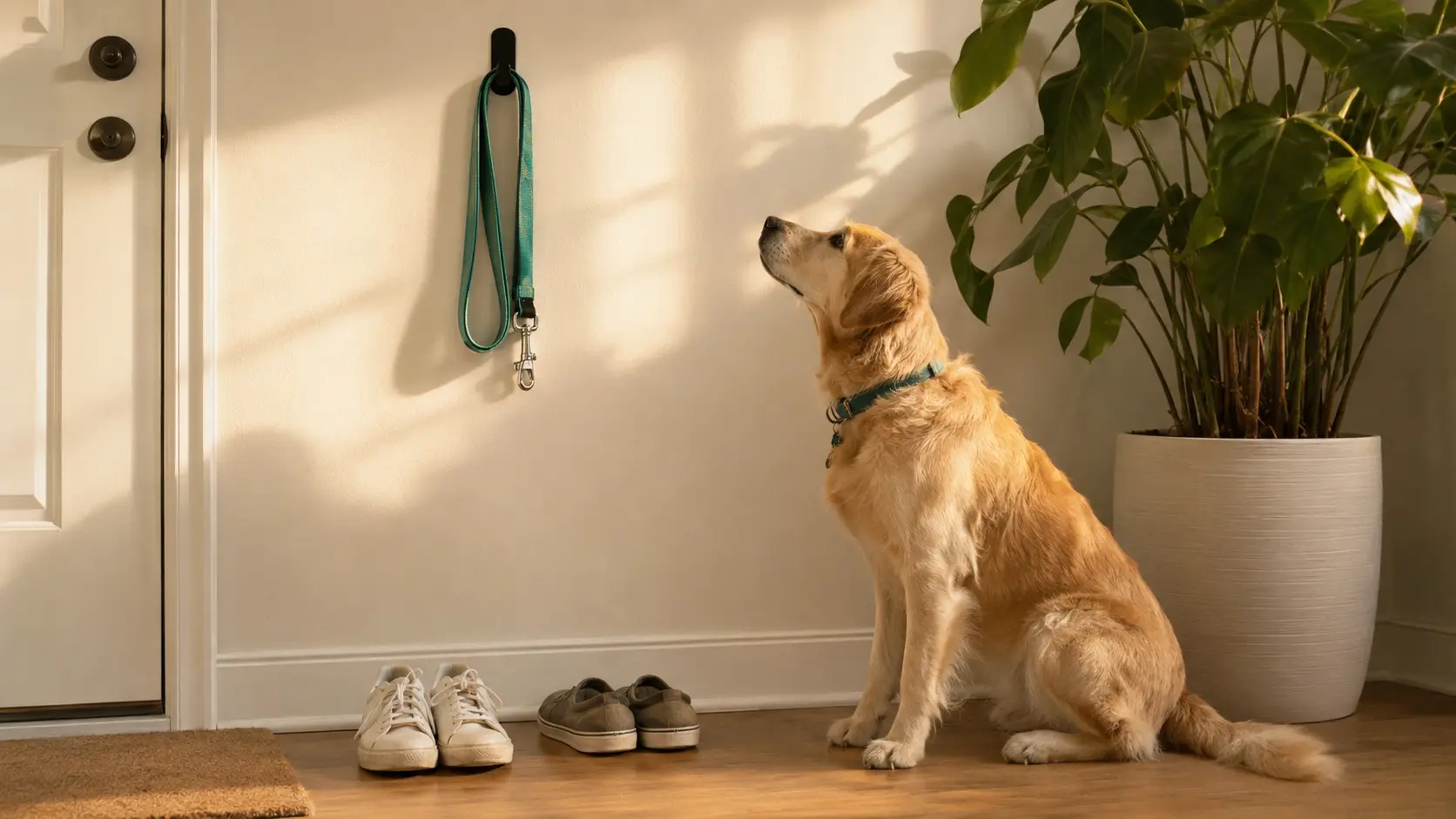
The arrangement usually forms by accident. Why the evening walk causes the arguments, and what settles it.