It always happens the same way. Someone asks for the card — a place you're
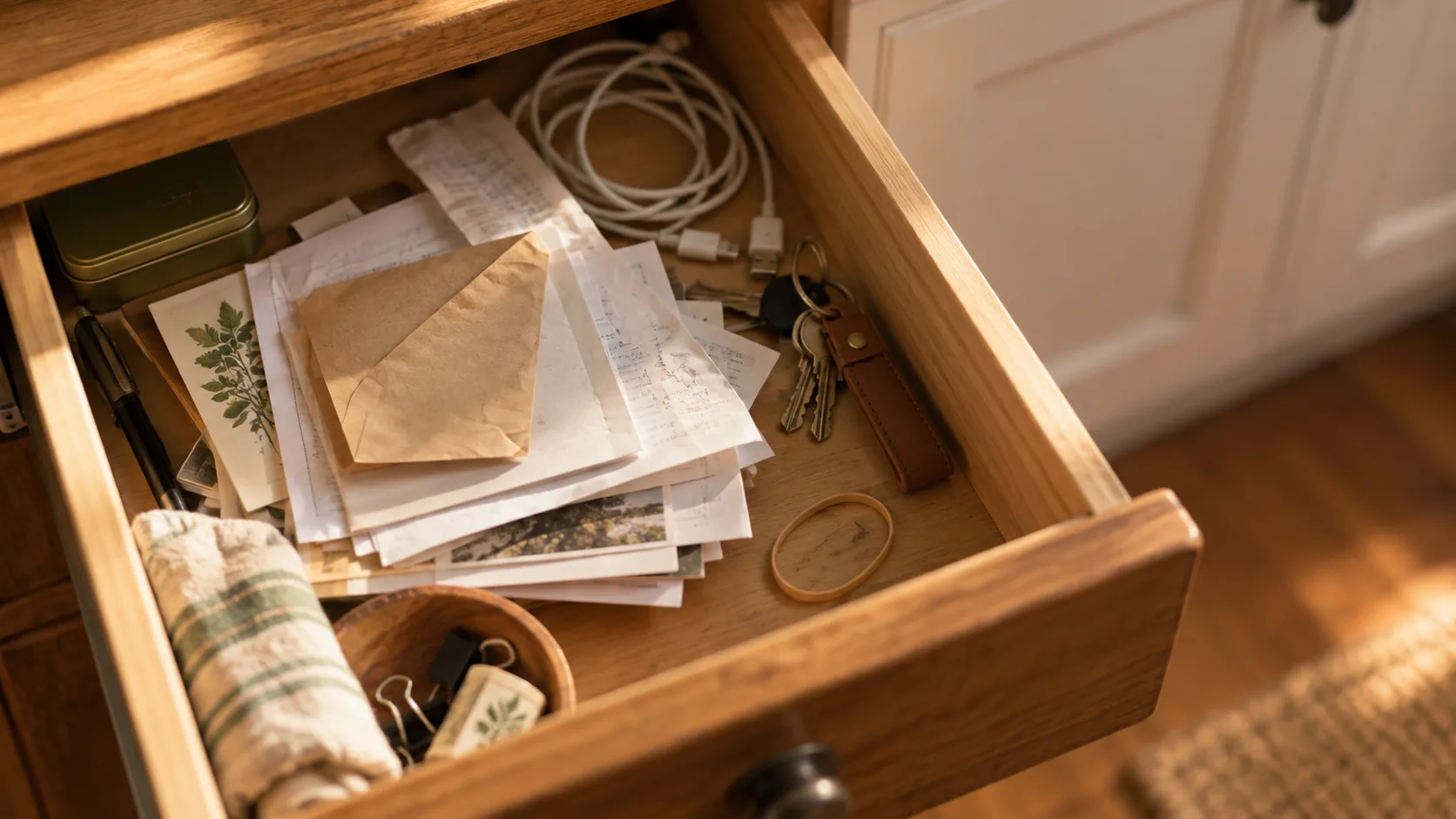
leaving your dog, a new clinic, a trip — and you open the drawer where it's
always been.
And it isn't there.
Before anything else: you lost your copy, not the history. Those are not the
same thing, and the difference is nearly everything.
You were almost never the only copy
The card feels unique because it's the one you hold. But every time a line got
filled in, someone else recorded something somewhere. Work through this in order,
most likely to most forgotten:
- The clinic that saw your pet. First and best. They keep their own file; the
card was your summary of it.
- Previous clinics, if you've moved. Each one holds a piece.
- Receipts. Email, the invoice folder, a jacket pocket. They carry dates, and
the date is half the record.
- Your WhatsApp. Search your pet's name or the clinic's. A lot of people find
a photo of the page they sent someone once and had forgotten about.
- Your camera roll. Filter by the dates you do remember.
- Whoever asked you for it before. A boarding place, a daycare, a pet-friendly
hotel, an airline. If they asked for it, they almost always kept a copy.
- Where your pet came from. Shelter, breeder, the family who gave them to
you. Shelters usually record what was given before handover.
Rebuilding eighty percent of it in one afternoon with this list is normal. Nobody
works through it because nobody knows the list exists.
What to ask for at the clinic, exactly
This is where most people lose the thread: they walk in, say "I lost the card",
and walk out with a blank new one. Ask for something else.
What's worth asking for, in these words:
"I lost the card. Could you give me in writing the dates of everything given
here, with the full name of each one and who administered it?"
Three things worth knowing before you go:
- It may take time. It isn't always to hand; sometimes it has to be looked
up. Leave a phone number instead of standing there waiting.
- It may cost something. That's normal, and usually small.
- Ask them to sign or stamp it. A page signed by the clinic is as valid as
the original card — because it's the same thing.
And if the clinic closed or changed hands, ask anyway. Files almost always
transfer with the premises.
What's missing gets marked, not invented
You'll recover a lot, and not all of it. Here's the part that actually matters:
A gap recorded as a gap is useful information. A gap filled in from memory is
an error that will last for years.
It's tempting to write "sometime in March, I think". Don't. In two years nobody
will remember that was a guess, and it will read as a fact.
What works is keeping what you know apart from what you believe:
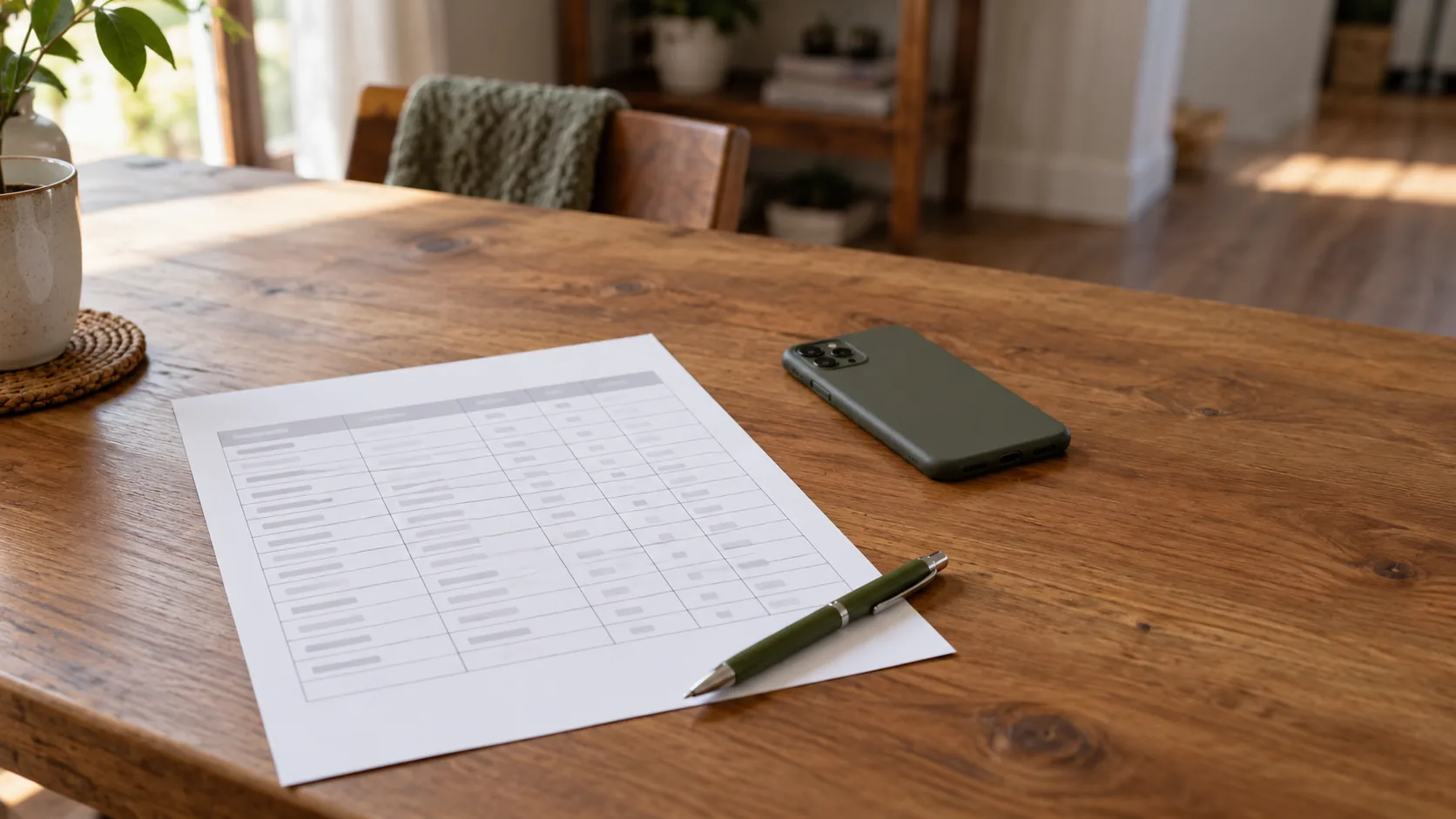
CONFIRMED — 12 March 2024. [full name]. Clinic [X], given by [Y].
Proof: signed page.
REMEMBERED — mid-2023? Something was given at the clinic on the avenue. No
proof. Still to confirm.
Two words, and the history stops lying.
And then, the part that isn't yours
Once you have what could be recovered, take it to your next appointment and put
it on the table.
What that gap means, whether it matters, and what happens next is exactly the
kind of decision that needs someone who can examine your pet. We're not going to
tell you, and you shouldn't believe any page that tells you without having met
them.
What we can promise is that arriving with a sheet that says "this is confirmed,
this isn't" makes that appointment far shorter and far more useful than arriving
with "I lost everything".
You're not late, either. You're just without the paper, which is a different
thing.
So it doesn't happen again
One rule, and it costs nothing:
A second copy has to exist from day one.
You leave the appointment, photograph the whole page — both sides, in good light,
dates legible — and send it somewhere that isn't the camera roll: to yourself in
a message, to an email, anywhere you'll be able to search by text in three years.
The paper stays the original. The photo is what saves you when the original stays
behind in the old apartment. And if you want it sorted and searchable too,
that's what a digital card is for,
and we've also written about
what belongs on every line.
Why we're building Maskotis
Losing the card shouldn't mean losing the history, and today that's exactly what
it means for an enormous number of people. That's the gap.
Today in Maskotis you can register your pet and keep their care events there,
including the ones you rebuild this way. What we're working on is telling you
when the date you were given is coming up; that isn't open yet.
Start with the clinic. It's one phone call.
Maskotis does not give medical recommendations and this article is not a
substitute for a veterinary consultation. What a gap in your pet's history means,
and what to do about it, is decided by the person who can examine them. Take them
to the vet you trust, or to the nearest clinic — they'll help you there.