Stories
Mar 27 · 1 min read
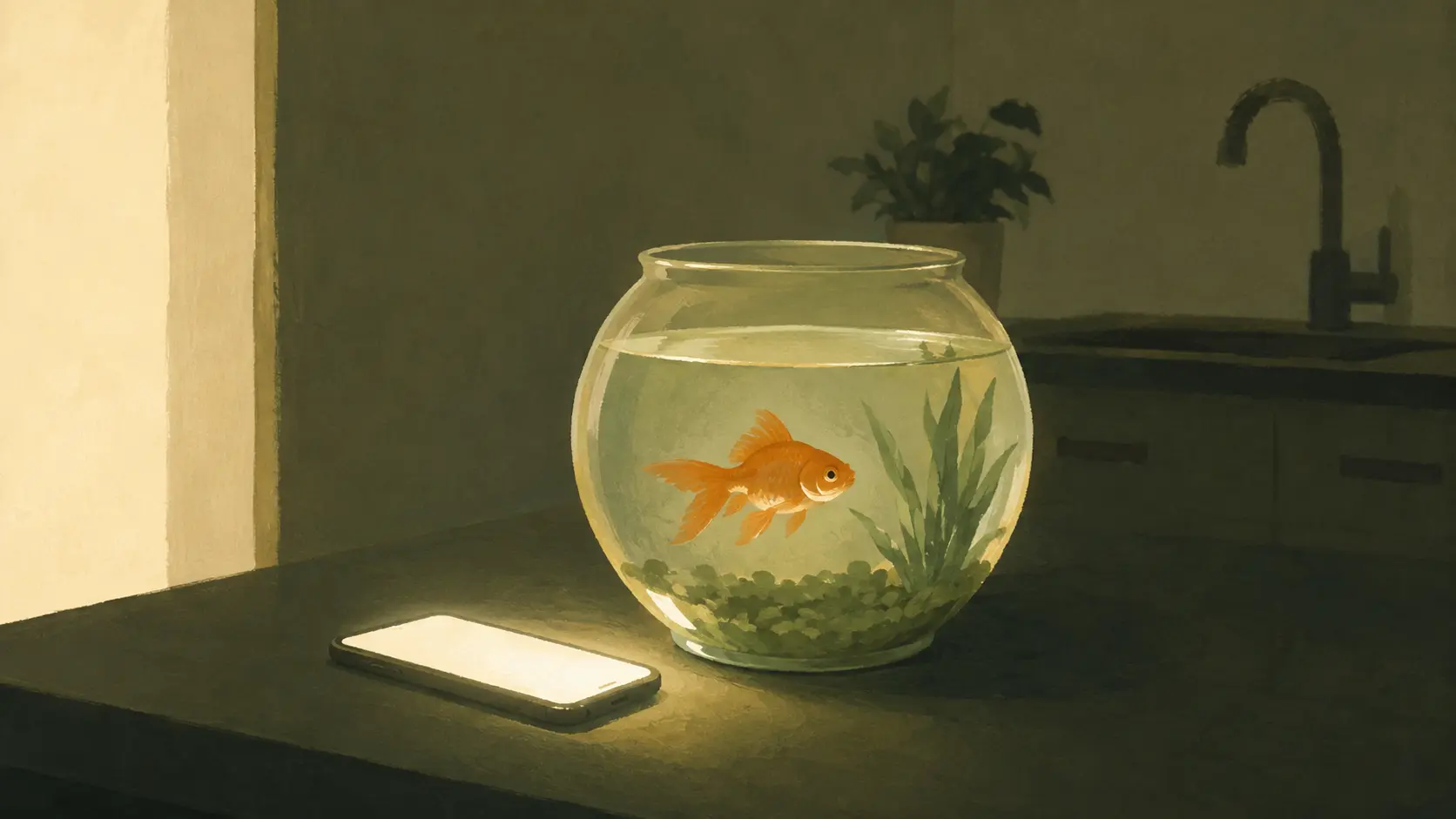
A goldfish, a power outage, and a very long Tuesday
What 36 hours without electricity taught us about keeping a tank alive.
Read
Fostering is usually described as something one person does. The rescues that place the most animals describe it as something a group does.
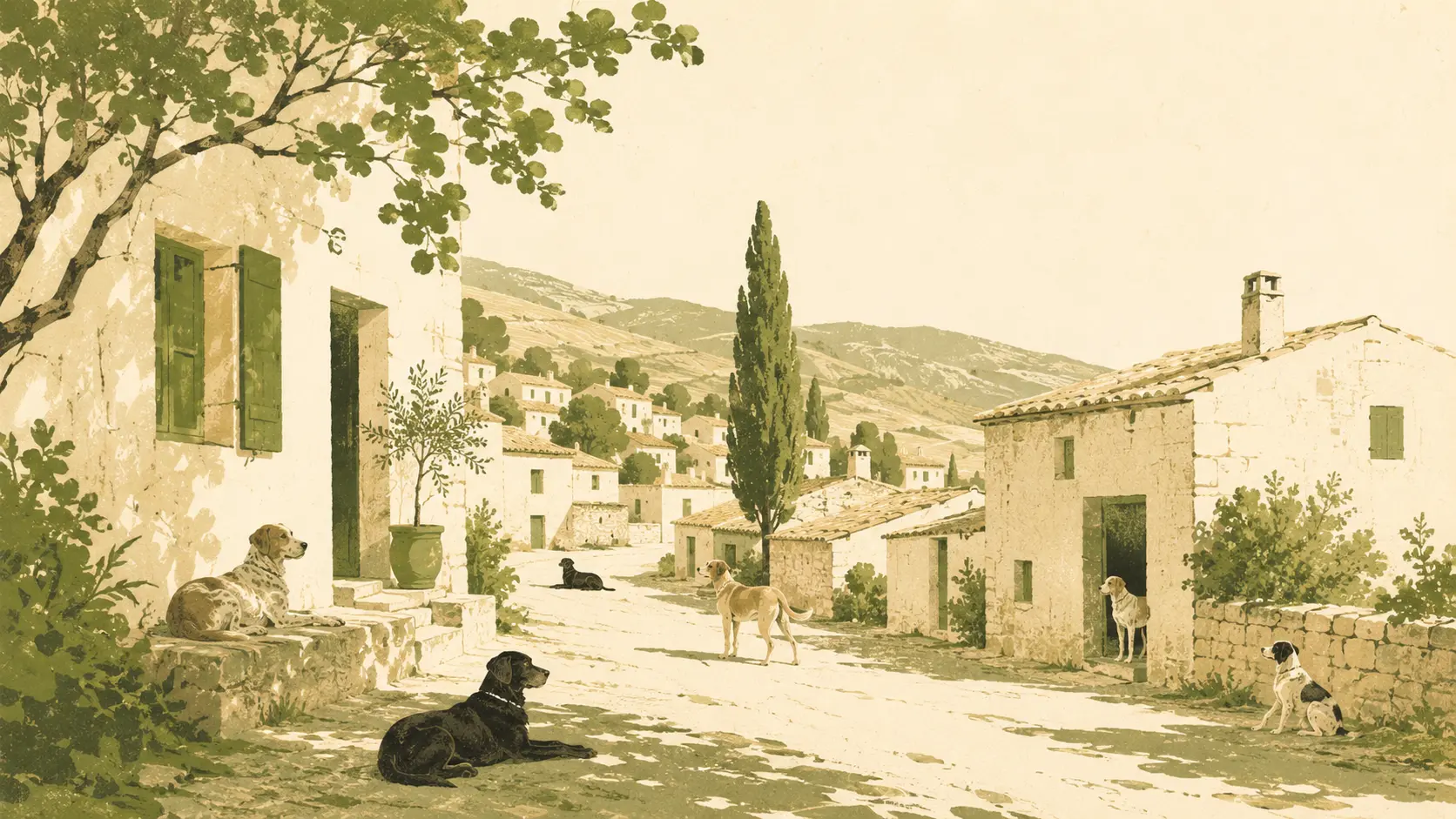
Fostering is usually described as an individual act: a person takes an animal into their home until a permanent one appears. Rescues that place a lot of animals tend to describe it differently — as something a group does, where the group is the unit that succeeds or fails.
The practical difference shows up in the unglamorous parts. Supplies get shared instead of bought six times over. Someone covers when a foster has a wedding, a hospital appointment, a week away. Questions get answered by people who fostered something similar last year, rather than by a search engine at midnight.
It also changes who is willing to start. The barrier to fostering is rarely affection or space; it is the fear of being solely responsible for an animal you do not yet understand. A network lowers that particular fear, which is part of why fostering tends to spread through a place in clusters rather than evenly.
If you are considering it, the useful question is not whether you can take an animal in. It is whether anyone nearby is doing the same thing, and whether you could reach them on a bad night. If nobody is, the more valuable first step is often finding two other people rather than taking the first animal.